


Tesla's Share Price Plunge: A Windfall for Short Sellers Amidst Brand Turmoil
- Yiwang Lim
- Mar 18, 2025
- 2 min read

Updated: Apr 1, 2025
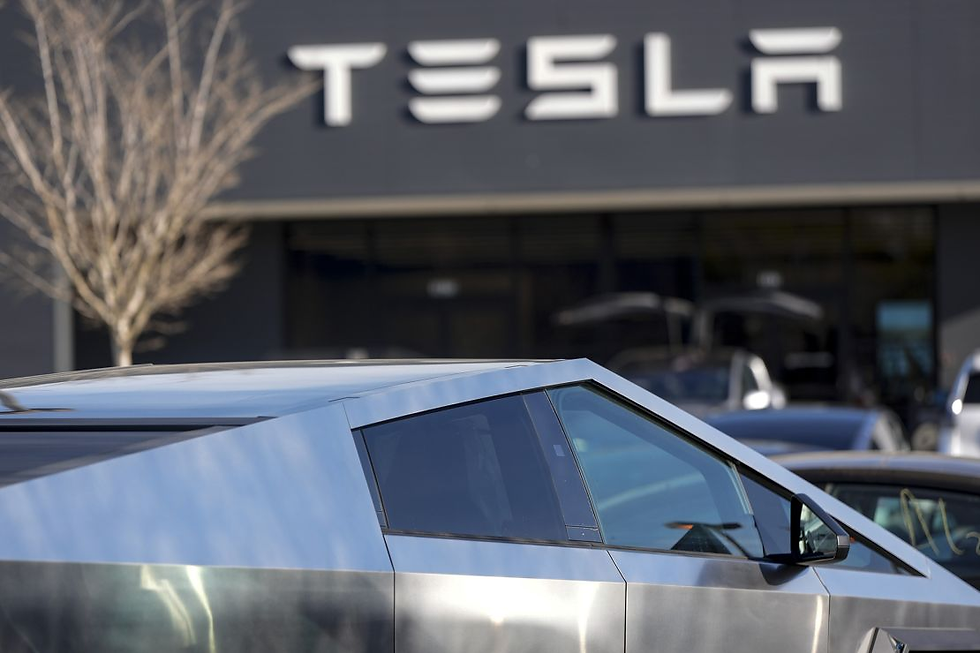
Over the past three months, Tesla's (TSLA) stock has experienced a precipitous decline, shedding approximately 50% of its value since its peak on December 17, 2024. This downturn has notably benefited short sellers, who have amassed profits totaling $16.2 billion during this period, according to data from S3 Partners.
Elon Musk's Political Engagements and Brand Perception
A significant factor contributing to Tesla's stock depreciation is CEO Elon Musk's overt political involvement, particularly his support for far-right parties in Europe. In Germany, Musk's endorsement of the Alternative for Germany (AfD) party has been met with widespread criticism. This political stance has alienated a substantial portion of Tesla's customer base, leading to a 60% drop in sales within the German market. Such a sharp decline underscores the sensitivity of consumers to corporate leadership's political affiliations and the potential repercussions on brand loyalty.
Global Sales Underperformance and Market Reactions
Tesla's sales challenges are not confined to Germany. In February 2025, the company reported a 2% year-over-year decrease in U.S. sales, a staggering 49% drop in China, and a 76% decline in Germany. These figures highlight a broader trend of underperformance across key markets, exacerbated by intensifying competition in the electric vehicle (EV) sector and negative consumer sentiment stemming from Musk's political engagements.
In response to these developments, financial institutions have adjusted their outlook on Tesla. JPMorgan, for instance, lowered its end-of-year target price for Tesla to $120 from $135, citing the unprecedented rapid decline in the brand's value. Similarly, Mizuho analysts reduced their price target by 16.5%, reflecting concerns over softening demand trends and increased competition.
Short Sellers' Vindication After Years of Losses
The recent profits for short sellers mark a significant reversal from previous years, where many faced substantial losses due to Tesla's soaring stock prices. Despite the recent gains, cumulative losses for short sellers since Tesla's 2010 IPO still amount to $64.5 billion. This turnaround underscores the volatile nature of equity markets and the inherent risks associated with short selling, particularly against high-growth companies like Tesla.
MY ANALYSIS: The Interplay Between Leadership, Brand Identity, and Market Performance
Tesla's current predicament serves as a compelling case study on the intricate relationship between corporate leadership, brand identity, and market performance. Elon Musk's political interventions have not only tarnished Tesla's brand image but have also had tangible adverse effects on sales across multiple regions. This scenario highlights the critical importance for corporate leaders to consider the broader implications of their public engagements, especially when such actions have the potential to polarize consumer bases.
Furthermore, the EV market's increasing competitiveness necessitates a steadfast focus on innovation, customer satisfaction, and strategic neutrality to maintain and grow market share. Tesla's experience illustrates how deviations from these principles can lead to swift market corrections and serve as a cautionary tale for other corporations navigating the complex interplay of leadership, politics, and consumer perception.


Comments