


The Addiction Epidemic: Trading, Gambling, and the Lure of High-Risk Investments
- Yiwang Lim
- Dec 18, 2024
- 3 min read

Updated: Dec 20, 2024
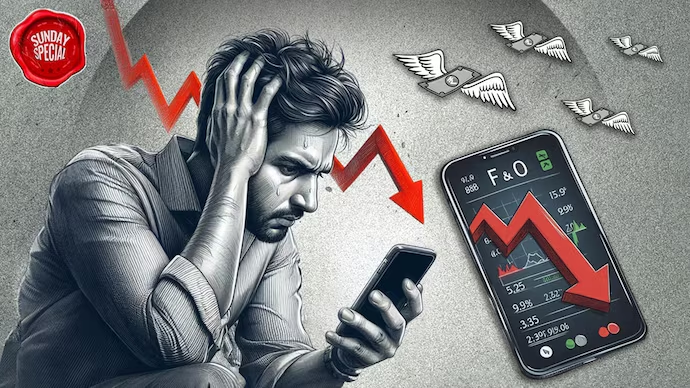
The financial world is facing a new and troubling phenomenon: the rise of compulsive trading addiction, fuelled by the pandemic-driven surge in retail trading and the proliferation of high-risk financial instruments. Dubbed the “crack cocaine” of the stock market, options trading, alongside cryptocurrencies, has lured countless individuals into a vicious cycle of soaring highs and devastating lows. The emotional and financial toll is evident in the swelling numbers at Gamblers Anonymous (GA) meetings, where trading addicts increasingly outnumber traditional gamblers.
The Perfect Storm: Pandemic and Retail Market Boom
The pandemic created a fertile breeding ground for speculative trading behaviours. With lockdowns limiting social activities, millions turned to online trading apps like Robinhood and Webull for both financial opportunities and entertainment. UK investors were no exception, as platforms like eToro and IG Group reported spikes in user sign-ups and activity during this period.
Many of these platforms employ gamified elements—commission-free trades, vibrant graphics, and push notifications—that encourage frequent trading. Coupled with the allure of meme stocks and viral cryptocurrency surges, retail investors began to speculate heavily, often with minimal understanding of the underlying risks. The speculative frenzy helped drive record-breaking market activity in options trading, with contracts expiring on the same day now accounting for over half of all S&P 500 options trades.
High Risk, High Reward—and High Losses
The psychology of trading addiction mirrors traditional gambling behaviours. Options and crypto trading provide immediate feedback and the potential for substantial gains, stimulating the brain’s dopamine pathways. The speed and accessibility of trading apps exacerbate this effect, making it easy to chase losses or double down on risky bets.
While success stories often dominate social media, the harsh reality is far grimmer. One sobering statistic comes from Pennsylvania, where gambling hotlines have received more calls related to trading addiction since 2021 than in the previous six years combined. Losses can be catastrophic: one UK trader reportedly lost £14,000 in minutes through leveraged options, a stark reminder of how quickly fortunes can turn.
The UK Perspective: Regulatory Gaps
From a UK standpoint, the Financial Conduct Authority (FCA) has issued warnings about the risks of speculative trading, particularly with leveraged products. However, current regulations lag behind those in the gambling industry. Unlike betting apps, most trading platforms are not required to display warning messages or provide resources for users who may develop addictive behaviours. This regulatory disparity raises questions about investor protection, particularly as trading and gambling increasingly blur lines.
Moreover, the FCA’s restrictions on high-risk derivatives, including binary options, while commendable, have not addressed the broader accessibility of speculative instruments like CFDs (Contracts for Difference) and options. A more robust approach, including mandatory warnings and enforced limits on leverage for retail investors, could mitigate some of the risks associated with compulsive trading.
MY OPINION: Education and Regulation Are Key
The rise of trading addiction underscores a critical need for financial literacy. Schools and universities should prioritise education about risk management, long-term investment strategies, and the dangers of speculative trading. Initiatives like the UK’s Money and Pensions Service have made strides, but their reach must expand to include resources tailored for younger investors who are particularly susceptible to the gamification of trading.
Regulators, too, must adapt to this evolving landscape. The FCA should mandate more stringent consumer protections on trading platforms, such as implementing trading “cool-off” periods, enhanced risk disclosures, and mechanisms to identify and support at-risk users. These measures are not about curbing financial freedom but ensuring that retail investors have the tools and knowledge to make informed decisions.
Conclusion
The emergence of trading addiction is a sobering reminder of the risks embedded in financial markets when unchecked speculation takes precedence over disciplined investing. While the excitement of high-risk trading may offer short-term thrills, the long-term costs—both financial and psychological—can be devastating. By fostering a culture of education, transparency, and regulatory accountability, we can help prevent the stock market’s most volatile instruments from becoming the "crack cocaine" of finance.


Comments