


Trump’s Tariff Gambit: Market Volatility, Economic Repercussions, and Investment Implications
- Yiwang Lim
- Feb 3, 2025
- 2 min read

Updated: Feb 4, 2025
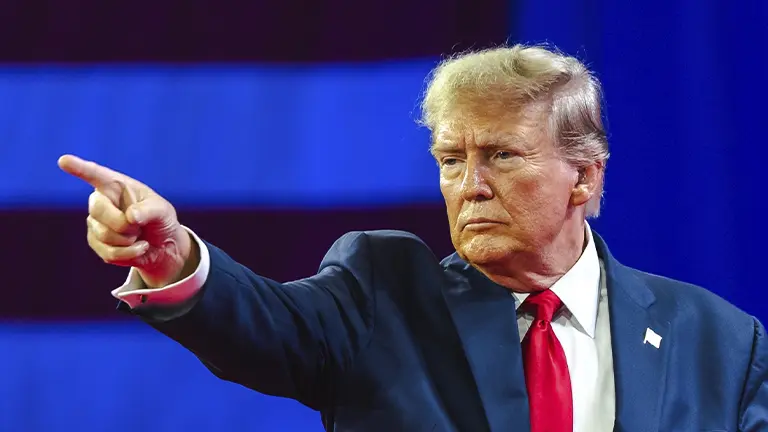
On 1 February 2025, President Donald Trump announced the imposition of 25% tariffs on imports from Canada and Mexico, and a 10% levy on Chinese goods, citing concerns over illegal immigration and fentanyl trafficking. These measures, enacted under the International Emergency Economic Powers Act (IEEPA), have significant implications for global markets and economies.
Market Reactions
The immediate aftermath saw heightened market volatility. The S&P 500 initially dropped nearly 2% before closing 0.8% lower, with sectors such as utilities and technology bearing the brunt. European markets mirrored this trend; the Stoxx Europe 600 ended the day down 0.9%, recovering from deeper losses earlier. Currency markets were equally turbulent. The Mexican peso, after depreciating by up to 3% against the US dollar, rebounded to finish slightly higher. Similarly, the Canadian dollar pared its losses, trading at C$1.457 against the greenback.
Economic Implications
Analysts from UBS and Morgan Stanley have projected that, if sustained, these tariffs could reduce US real GDP growth by more than 1 percentage point this year, effectively halving the anticipated growth. The US 10-year Treasury yield declined by 0.04 percentage points to 4.53% as investors gravitated towards safe-haven assets. However, there's a prevailing concern that the tariffs might exacerbate inflationary pressures in the US, potentially deterring the Federal Reserve from implementing interest rate cuts and further strengthening the dollar.
Retaliatory Measures
In response, Canadian Prime Minister Justin Trudeau announced retaliatory tariffs on over $100 billion worth of US goods, targeting products such as alcohol, footwear, steel, aluminum, and aerospace components. Mexico has signaled its intent to implement similar countermeasures, including both tariff and non-tariff responses, and is promoting domestic goods through initiatives like "Plan Mexico." These actions are anticipated to elevate inflation, disrupt supply chains, and potentially precipitate recessions in both Canada and Mexico.
MY ANALYSIS
The imposition of these tariffs introduces significant uncertainty into the global economic landscape. While the intent is to address pressing issues such as illegal immigration and drug trafficking, the economic repercussions could be profound. The interconnected nature of modern supply chains means that increased costs in one region can have cascading effects worldwide.
From an investment perspective, sectors heavily reliant on international trade, such as automotive and technology, may face margin pressures due to increased import costs. Conversely, industries less exposed to international supply chains might experience relative insulation from these impacts.
It's crucial for investors to monitor these developments closely. Diversification across asset classes and geographies can serve as a hedge against such geopolitical risks. Additionally, maintaining a focus on companies with strong balance sheets and pricing power can help navigate the potential headwinds arising from this evolving trade landscape.


Comments